
What this article covers
This article looks at why YouTube ads can feel more frequent, intrusive, repetitive, or simply worse than they used to. It examines mid-rolls, TV-specific ad formats, why different viewers can have very different ad experiences, and the role of YouTube Premium. It also looks at what ad controls can and cannot change, and what options viewers actually have.
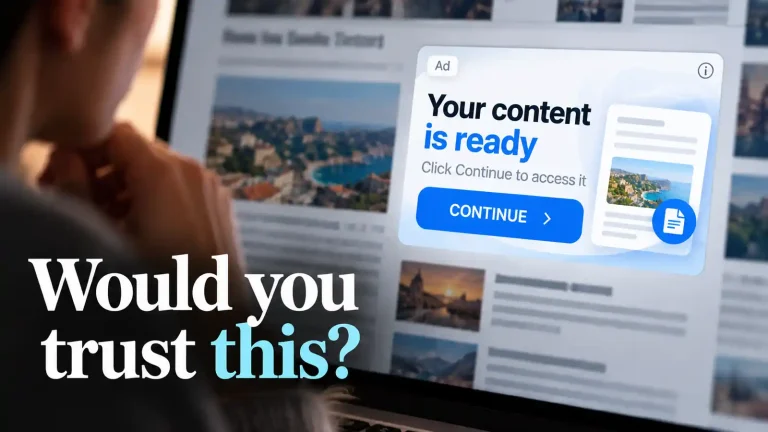
You open a ten-minute YouTube video. There is an ad before it starts. A few minutes later, another one interrupts the video. On a TV, even pausing can sometimes put an ad on the screen. And if you are unlucky, it may be the same ad you saw yesterday. And the day before that.
So are YouTube ads actually getting worse, or does it just feel that way?
The frustrating answer is that there is no single number that describes everyone’s experience. YouTube does not show the same number of ads to every viewer, and there is no public evidence that every user now gets more ads than they did two years ago.
But the complaints are not imaginary either. In a recent Reddit thread about YouTube ad overload, users describe more interruptions, multiple ads in a row, repetitive ads, strange AI ads and especially rough viewing on TVs. Reddit is not a representative survey, but the pattern of complaints is hard to miss.
Are there actually more YouTube ads?
There is no reliable public number that tells us whether every viewer is seeing more ads than before.
The number and type of ads can vary depending on the video, its length, the device you are using, your location, your account and which ads are available at the time. Two people can watch the same video and get noticeably different experiences.
That is why personal comparisons are tricky. One person may see a single skippable ad before a video. Someone else may get two ads, then another interruption halfway through.
YouTube’s own help pages make clear that ads can appear in different places around and inside monetized videos. So when someone says, “YouTube has twice as many ads now,” they may be describing a very real experience. It just does not prove that YouTube doubled the number for everyone.
Long videos create more chances for interruptions
A long video simply gives YouTube more places where an ad can appear.
Videos that are at least eight minutes long can include mid-roll ads, meaning ads that appear during the video rather than only before or after it. Creators can let YouTube place those breaks automatically, choose some of the positions themselves, or use a mix of both. YouTube explains how mid-roll breaks work.
In 2025, YouTube also changed how its automatic system chooses some of those breaks. The company said it would favor more natural pauses and avoid cutting into a sentence or important moment when possible. That may make an interruption less awkward. It does not necessarily mean fewer interruptions.
This helps explain why a 35-minute video can feel very different from a five-minute clip. There are simply more points where advertising can be inserted.
YouTube on TV can feel even more aggressive
The TV experience deserves special mention because YouTube has introduced ad formats designed specifically for connected TVs.
One example is pause ads, which can appear when you pause a video on supported devices. YouTube also offers certain non-skippable formats for TV viewing.
Not every TV user gets the same ads, and not every pause will suddenly become a billboard. But YouTube on a television has clearly become an important advertising space.
From the viewer’s side, that can feel a little strange. You pause the video to answer the door and come back to discover that the pause screen has found a sponsor.
For people who moved from traditional television to streaming partly to escape constant commercial breaks, that is not exactly progress.
Bad ads make every interruption feel worse
Quantity is only part of the problem.
An interruption is more annoying when the ad itself is repetitive, badly targeted, obviously synthetic or making a ridiculous promise. We looked at that question separately in Why are so many online ads so stupid?
An AI presenter is not automatically a scam. Neither is a strange-looking health ad or an exaggerated sales pitch. But low-quality advertising becomes a much bigger problem when it crosses into misleading claims, fake endorsements or outright fraud.
That is not hypothetical. Consumer groups and regulators have documented scam ads across online platforms, and The Guardian reported calls for tougher action on scam advertising appearing on YouTube.
So “too many ads” can mean several different things at once: too many interruptions, too much repetition, poor relevance, or simply too many ads you do not trust.
Is YouTube trying to push you toward Premium?
It is easy to jump from “YouTube benefits from Premium” to “YouTube is making ads worse on purpose.” The first is obvious. The second is much harder to prove.
Free YouTube is supported by advertising. YouTube Premium removes platform-served ads and adds features such as background playback and downloads. Premium Lite is also available in selected markets as a cheaper option focused mainly on reducing ads.
YouTube clearly benefits when Premium feels valuable. If the free version had no ads, one of the biggest reasons to pay for an ad-free plan would disappear.
But having a commercial reason to sell an ad-free subscription is not the same as deliberately making the free experience worse to force people into paying. Public information supports the first idea. It does not prove the second.
Still, from a viewer’s perspective, the choice can feel brutally simple: watch the ads or pay.
Why does Google ask what you think about ads?
Sometimes YouTube or Google gives you controls around an ad, or asks questions about something you just saw.
Through My Ad Center, you can change some advertising preferences, block certain ads, report an ad and ask to see fewer ads about some topics or brands. That can help with relevance, but it does not necessarily mean you will see fewer ads overall.
Google also runs surveys that help advertisers measure whether viewers remember an ad or recognize a brand. So not every question you see about an ad is a complaint form. Sometimes Google is measuring whether the advertising worked.
What can you actually do about YouTube ads?
You do have a few options, although none is a magic “show me fewer ads” switch.
You can use the controls on individual ads to block or report them when those options appear. My Ad Center can also help you change the kinds of advertising Google tries to show you. That is most useful when the problem is relevance rather than sheer quantity.
YouTube Premium is the official way to remove ads served by YouTube. It costs money, obviously, and whether that trade is worthwhile is a personal decision rather than something we need to sell you.
And then there are ad blockers. Many viewers use them because they are tired of interruptions. They also come with trade-offs: they can reduce advertising revenue that would otherwise go to creators, stop working when YouTube changes something, cause playback problems, and unknown browser extensions can create their own security risks. Google and YouTube have also been actively pushing back against ad blocking, and recent reporting has linked some YouTube viewing issues to ad blockers.
So, are YouTube ads getting worse?
There is not enough public evidence to say that every YouTube user now sees more ads than before.
But that does not make the frustration imaginary.
Longer videos create more places for mid-rolls. TV viewers can encounter additional formats. Different users get different ad experiences. Repetition can make a mediocre ad unbearable. Poorly targeted, low-quality or suspicious ads make every interruption feel worse. And the cleanest official way to remove platform-served advertising is a paid subscription.
Maybe there is no single switch labeled “show everyone more ads.”
From the viewer’s side, that distinction may not matter much.
If your ten-minute video keeps stopping, the same strange ad follows you from one video to the next, and even the pause screen starts selling you something, it feels worse.
You do not need a global ad-count statistic to notice that.