Does YouTube have an incentive to make ads worse?
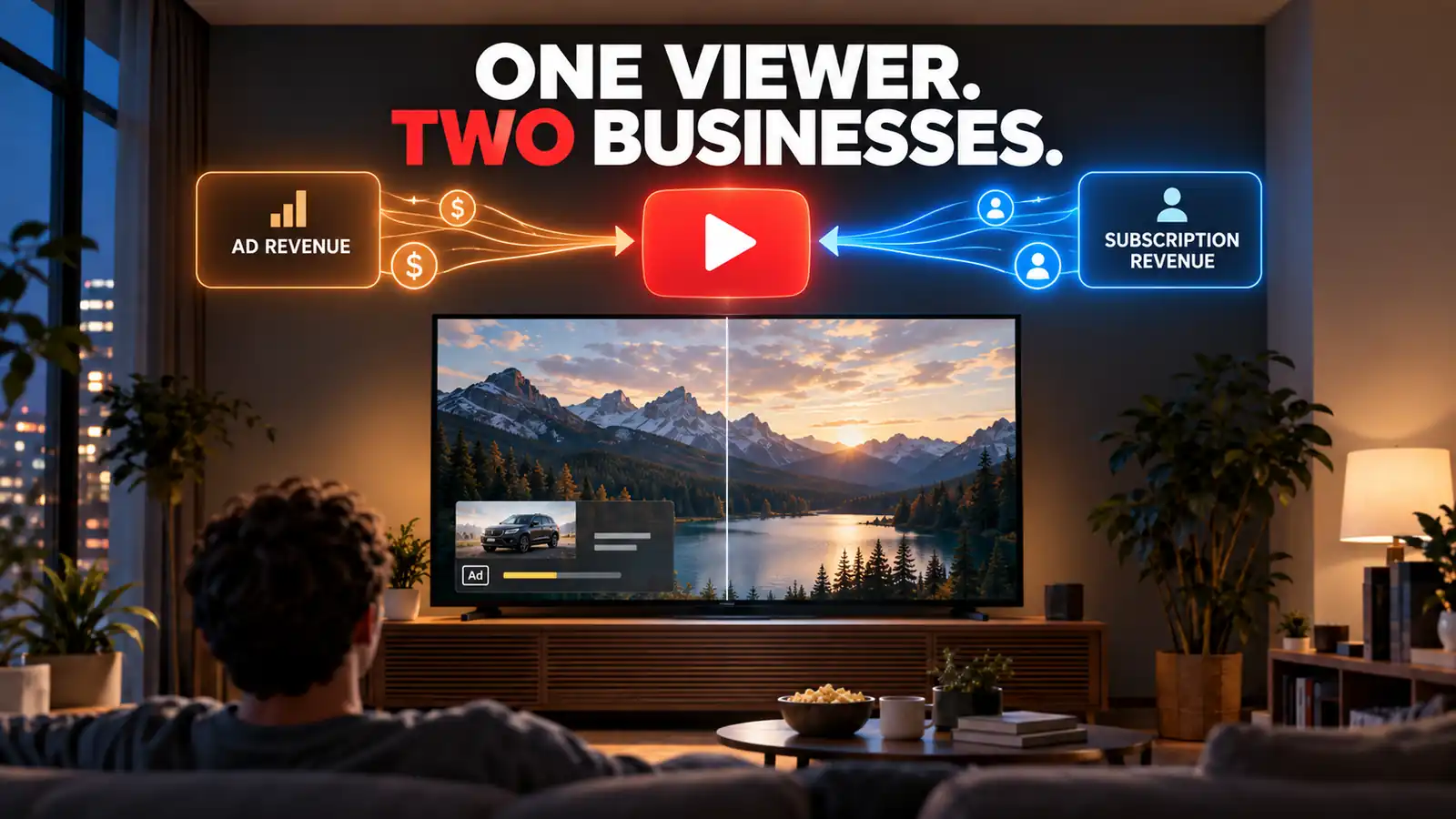
YouTube makes money from ads and from subscriptions that remove them. We looked at whether that creates a business incentive to make the ad-supported experience worse.

YouTube ads can frustrate viewers for more than one reason. There may be more interruptions during a long video, the same campaign may appear repeatedly, or the ad itself may feel cheap, synthetic or difficult to trust. AdsUncovered looks at both sides of that experience: how YouTube places ads and how individual advertisers use the space. We examine ad frequency, TV and mid-roll formats, unusual creative choices, AI involvement, subscription pitches and the claims made before the click. A bad ad is not automatically misleading, and a strange one is not automatically a scam. The evidence matters.
YouTube makes money from ads and from subscriptions that remove them. We looked at whether that creates a business incentive to make the ad-supported experience worse.

RiseGuide’s ads focus on communication mistakes, but the bigger story is the subscription behind them. We looked at the expert claims, 28-day billing, renewal pricing and what users should know before subscribing.

YouTube ads can feel more frequent, repetitive and harder to escape. Here’s what has actually changed, why the experience differs by viewer and what you can do about it.

Some online ads look absurd, yet advertisers keep running them. Here’s why ad testing, cheap AI production, repetition and ridiculous hooks can still get results.