Does YouTube have an incentive to make ads worse?
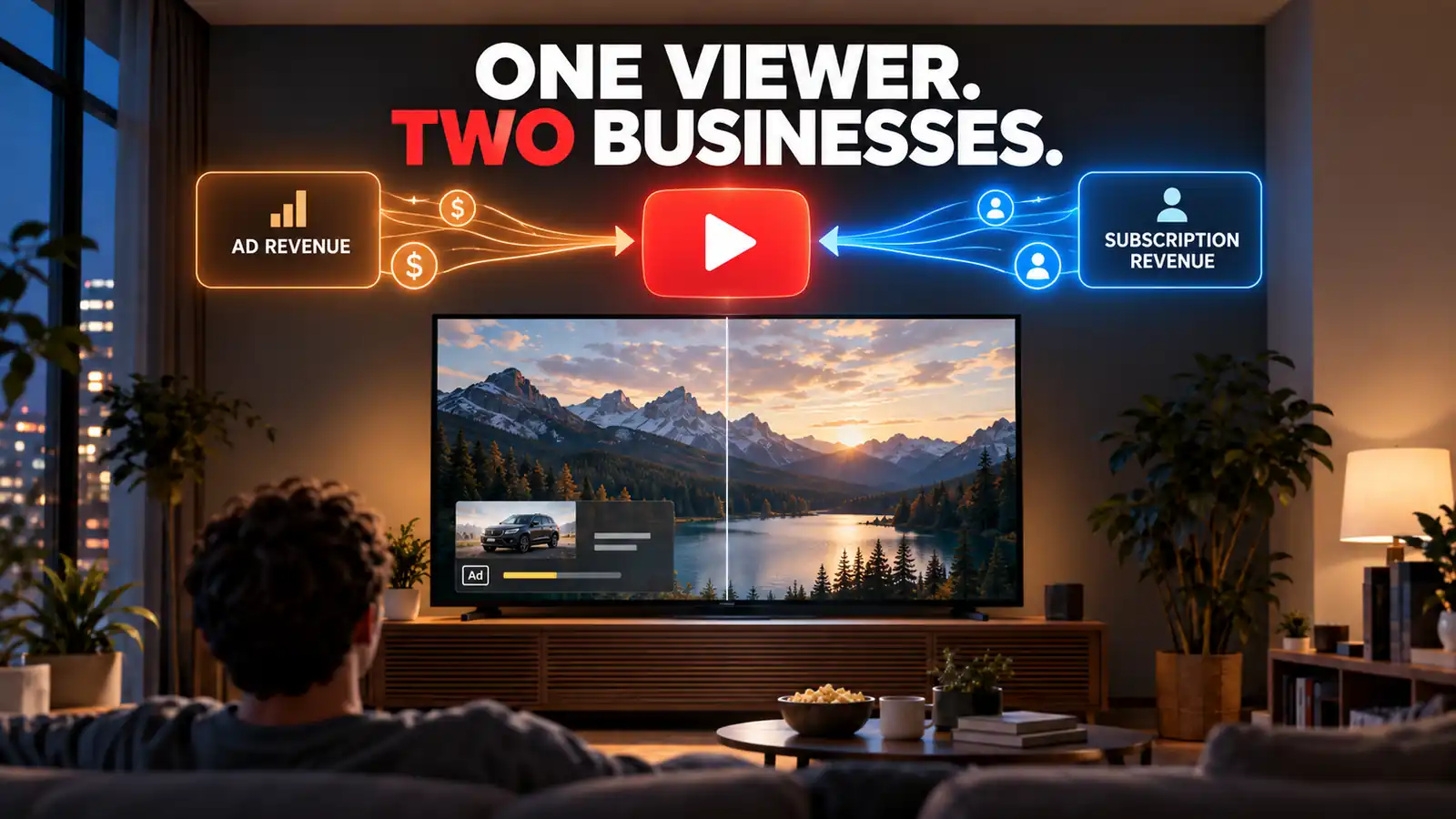
YouTube makes money from ads and from subscriptions that remove them. We looked at whether that creates a business incentive to make the ad-supported experience worse.
What this article covers This article looks at what an AI-generated person in an ad is actually doing: presenting a product, acting as a customer, or lending expert authority to a claim. It explores why a convincing face is not the same as reliable evidence, what AI labels do and do not tell you, and … Read more
Lifetime deals promise big savings, one-time payments and freedom from subscriptions. This article looks at how discounts, countdowns and “lifetime” framing can turn a software purchase into a deadline.
RiseGuide’s ads focus on communication mistakes, but the bigger story is the subscription behind them. We looked at the expert claims, 28-day billing, renewal pricing and what users should know before subscribing.
YouTube ads can feel more frequent, repetitive and harder to escape. Here’s what has actually changed, why the experience differs by viewer and what you can do about it.
Some online ads look absurd, yet advertisers keep running them. Here’s why ad testing, cheap AI production, repetition and ridiculous hooks can still get results.
For a while, YouTube seemed determined to teach us how badly we were apparently talking to other human beings. “Never start a conversation with this…” “Never say these three words…” “Your first sentence decides everything.” Then there were the people who had supposedly spent 20 years coaching CEOs and billionaires and were now ready to … Read more